
Teaching precision through structure
We build learning experiences that focus on technique development through careful observation and deliberate practice.

What shaped our teaching methods
Most online education platforms treat advanced techniques as simple demonstrations. We noticed that students struggled to translate what they saw into what they could execute. The gap between watching and doing remained wide.
Our approach breaks down each movement into observable components. Instead of showing finished results, we isolate hand positioning, blade angle, and tension control. Each element receives dedicated attention before combining into complete procedures.
This structure emerged from working directly with learners who needed more than inspiration. They needed frameworks that made complex skills learnable through systematic progression.

Who builds these learning sequences

Olena Vasylyshyn
Lead Educator
Olena specializes in precision cutting techniques. She spent years training professionals in controlled environments before transitioning to structured digital content. Her teaching isolates each technical element so learners can identify exactly where their execution differs from the demonstrated standard.
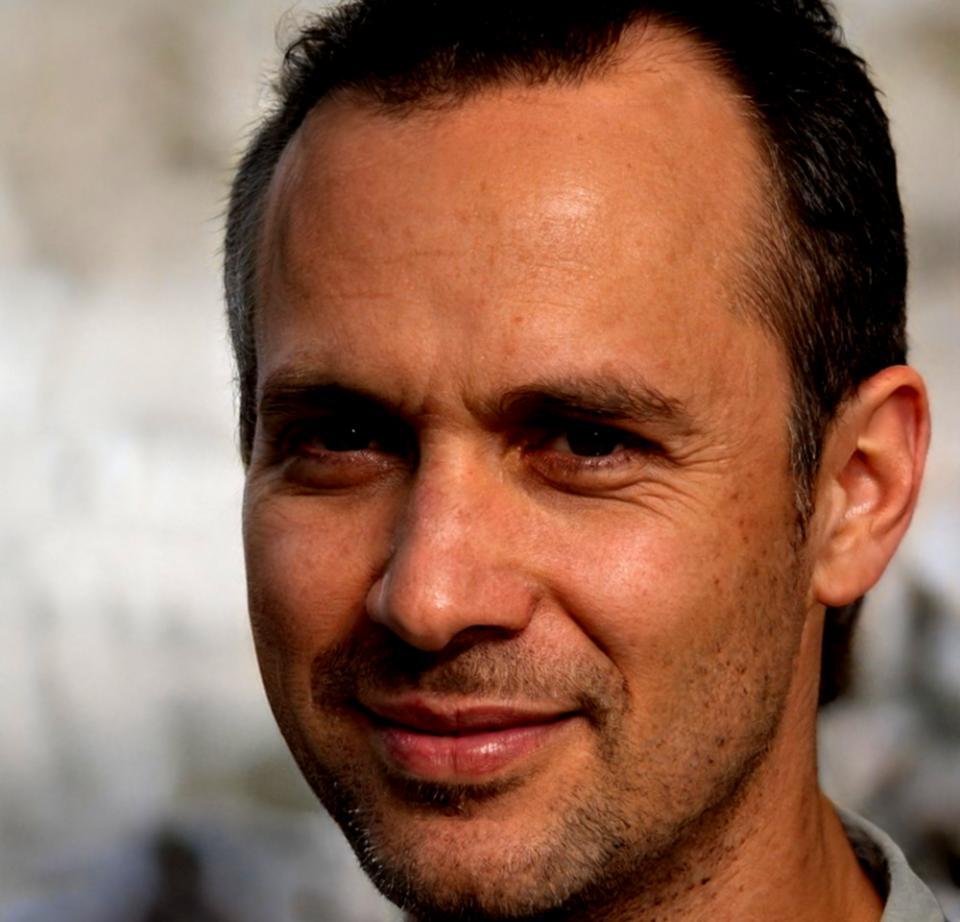
Dmytro Kovalenko
Technical Director
Dmytro develops the learning architecture that organizes content into progressive sequences. He designs the frameworks that determine which skills must be mastered before attempting more complex procedures. His background in instructional systems ensures each module builds logically on previous material.
Iryna Bondarenko
Content Specialist
Iryna reviews all instructional material for clarity and completeness. She identifies gaps where learners might lose the thread of instruction and ensures each step contains sufficient detail for independent execution. Her role prevents assumptions that leave critical information unstated.
How we structure skill development
Component isolation
Each technique gets broken into its fundamental movements. We demonstrate hand position, tool angle, and pressure application separately before showing them combined. This prevents learners from missing critical details that get obscured in full-speed execution.
Controlled progression
Skills build in deliberate sequence. Mastering blade control comes before attempting texture work. Understanding sectioning precedes pattern creation. Each module requires demonstrable competence before advancing to procedures that depend on that foundation.
Error identification
We show common execution mistakes alongside correct technique. Learners see what happens when angle shifts by small degrees or when tension varies. This comparative approach helps students diagnose their own errors without requiring external feedback for every attempt.
Principles that guide our content design
Observable mechanics
Every instruction references something visible. We avoid abstract descriptions in favor of concrete positions and movements that learners can verify against what they see on screen. If a detail cannot be observed, we do not include it as an instruction point.
Sequential dependency
Content follows strict prerequisite chains. Advanced modules assume mastery of earlier material without repeating foundational explanations. This structure rewards consistent progression and prevents students from attempting procedures before they have the necessary component skills.
Realistic pacing
We state expected practice time for each technique. Skill development takes repetition, and our estimates reflect actual learning curves rather than optimistic projections. Students know how much time to allocate before seeing measurable improvement in their execution.